
For five years, a pharmacist in Bengaluru sold counterfeit cancer medications to over ninety prestigious institutions at 50% lower prices without being discovered .
He was the owner of Krupa Healthcare and went as Veeresh Kumar Jain.
According to police, the scheme would take less expensive or outdated medications, repackage them in new containers, label them with well-known pharmaceutical brands, and then use more than fifteen medical representatives to reintroduce them into the hospital supply chain.
Counterfeit pharmaceuticals worth about ₹5 crore had been confiscated by the time it was busted.
Because when cancer has already depleted your savings, that discount affects you in a completely different way. In the interim,
One in nine Indians will get cancer at some point in their lives. The average annual out-of-pocket medical expenses are ₹3.31 lakh, with medications accounting for about 45% of that amount.
Families sell valuables, pawn jewelry, and take out loans from moneylenders. Not just the patient but the entire household may become impoverished after receiving a cancer diagnosis.
Furthermore, patients are unable to confirm the contents of an injection. Lab testing cannot be performed by families prior to each drip.
They have faith in the hospital. The distributor is trusted by the hospital. The provider is trusted by the distributor.
In this case, trust is the actual product.
Furthermore, a single pharmacy owner is not the issue if counterfeit medications can pass through more than 90 hospitals in five states before being discovered.
It was made possible by every weakness in the system.
Indian families are already forced to choose between someone's life and their savings due to cancer.
Making ensuring the medication is authentic is the least we can do.
Financial★ BREAKING
Fake cancer Drug Racket bursted in Karnataka
SSSeptember 18, 20262 MIN READ

SHARE:
SHARE:
Advertisement
Google Ads · inlineMORE FROM FINANCIAL
SS
A young individual has been arrested by the Medipally police department for reportedly threatening a private employee through the use of Instagram and demanding ₹5 lakh or certain sexual favors.

ss
The compensation for 29 victims of crimes in Kolasib amounts to Rs 1.28 crore.
ss
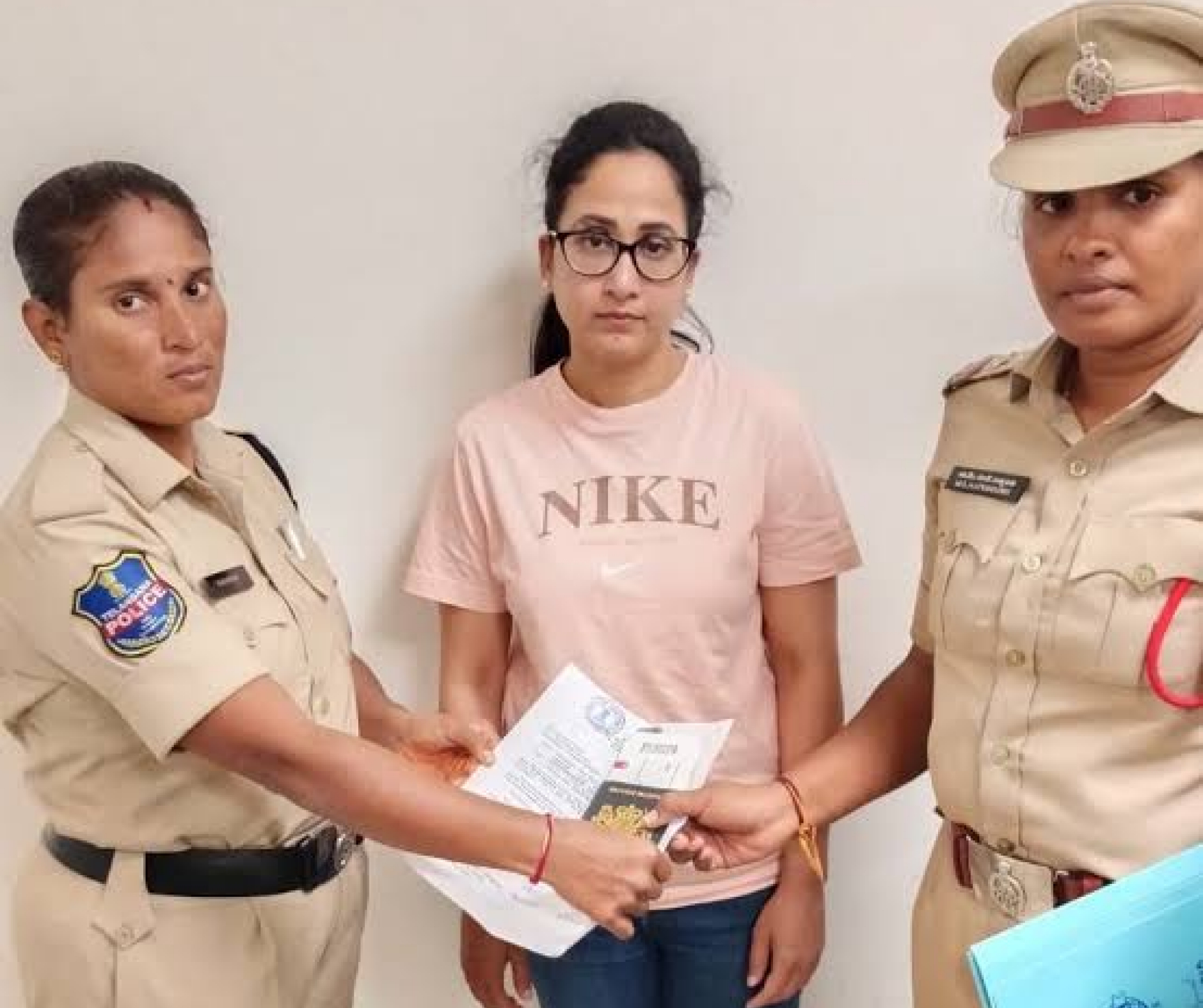
Nandus world youtuber Nanadana was held at RGIA,Hyderabad
SS
Rs 10 Lakh For Fast File Clearance? Wife Helps CBI Catch I&B Ministry Official Taking Bribe
LATEST NEWS
View All →
Violent Crimes
A 16-year-old girl in Delhi was allegedly gangraped by four people, including three minors, stabbed to death and then her body was thrown in an open field where dogs ate pieces of it

Others
Keesara residents cheer as ACB team apprehends 'corrupt' cops.

Violent Crimes
Hyderabad is alarmed by targeted killings and weapon attacks.

Violent Crimes
Notice To Aaditya Thackeray For Rs 500 Crore Regarding Sushant Singh's Former Manager
Others
The public in Bengaluru attacks a girl's family after mistaking them for kidnappers, leading to a dramatic intercaste marriage.

Others